How Cryptocurrency Volatility Patterns Shape Progressive Jackpot Triggers in Regulated Slot Networks
Ines Long · Nov 1, 2026
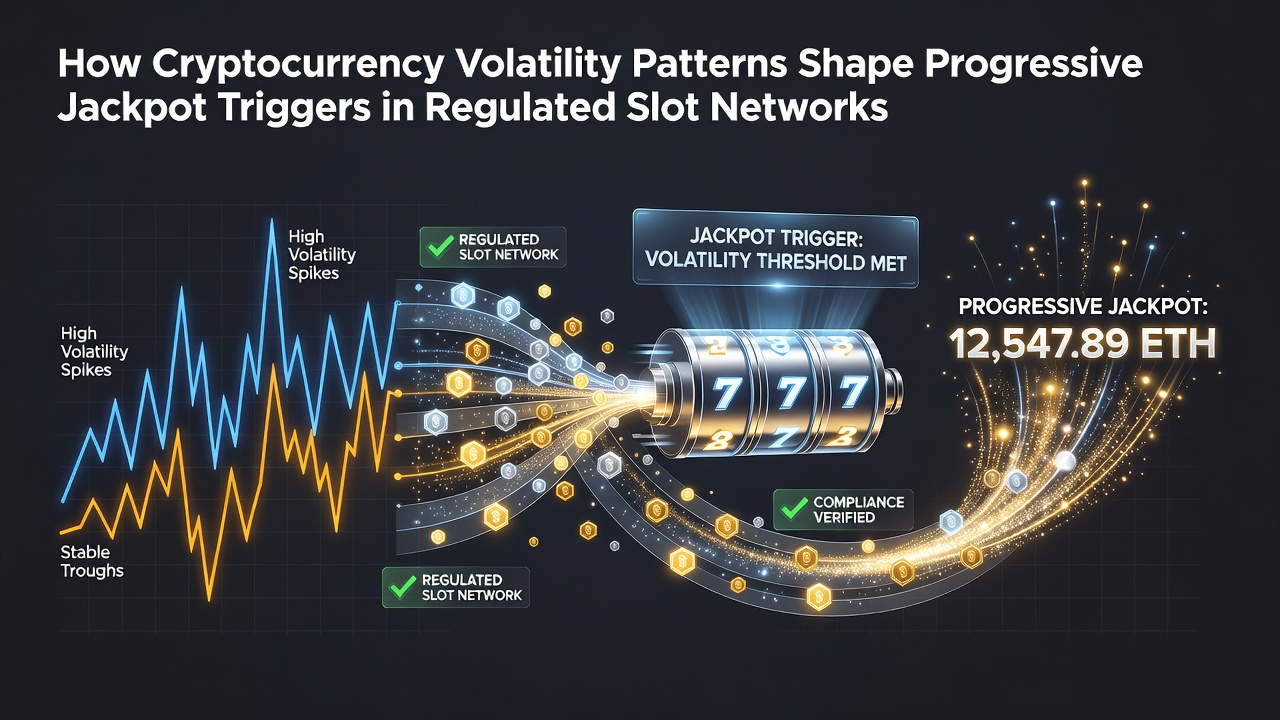
How Cryptocurrency Volatility Patterns Shape Progressive Jackpot Triggers in Regulated Slot Networks
Regulated slot networks incorporate cryptocurrency as a funding mechanism for progressive jackpots, and volatility in digital asset prices directly influences the timing and scale of those triggers. Market swings alter the real-time value of pooled contributions, which in turn modifies the algorithms that determine when a jackpot activates across connected machines. Operators track these fluctuations through integrated payment gateways that convert crypto holdings into stable fiat equivalents at the moment of each bet, yet the underlying pool size still expands or contracts with token prices.
Mechanics of Progressive Jackpot Pools in Crypto-Enabled Systems
Progressive jackpots accumulate a percentage of every wager placed on linked slot games, and when cryptocurrency serves as the deposit or withdrawal method the pool value updates continuously against live exchange rates. Network operators maintain separate ledgers for each currency pair, which means a sudden 15 percent drop in Bitcoin or Ethereum can shrink the displayed jackpot amount within minutes even as new bets continue to feed the pool. Regulated jurisdictions require these systems to log every conversion timestamp so that audit trails remain intact regardless of price movement.
Trigger conditions typically rely on a random number generator that selects a winning combination once the pool reaches a predetermined threshold or after a statistically defined number of spins. Volatility introduces an extra variable because the threshold itself is often expressed in fiat terms while contributions arrive in crypto, forcing the system to recalculate the remaining distance to trigger in real time. Studies from the University of Nevada Reno Gaming Innovation Lab show that networks using stablecoin buffers experience fewer mid-cycle recalibrations than those accepting direct Bitcoin deposits.
Regulatory Frameworks Across Multiple Jurisdictions
Authorities in Nevada, the Alcohol and Gaming Commission of Ontario, and the Malta Gaming Authority each impose distinct reporting requirements when cryptocurrency feeds progressive systems. Nevada rules mandate hourly reconciliation of pool values against the USD equivalent at the time of each transaction, whereas Ontario focuses on player protection disclosures that highlight how exchange-rate changes affect advertised jackpot sizes. Malta requires operators to maintain reserve capital equal to at least 120 percent of the current jackpot liability, a buffer that must be recalculated whenever major cryptocurrencies move more than five percent in either direction within a 24-hour window.
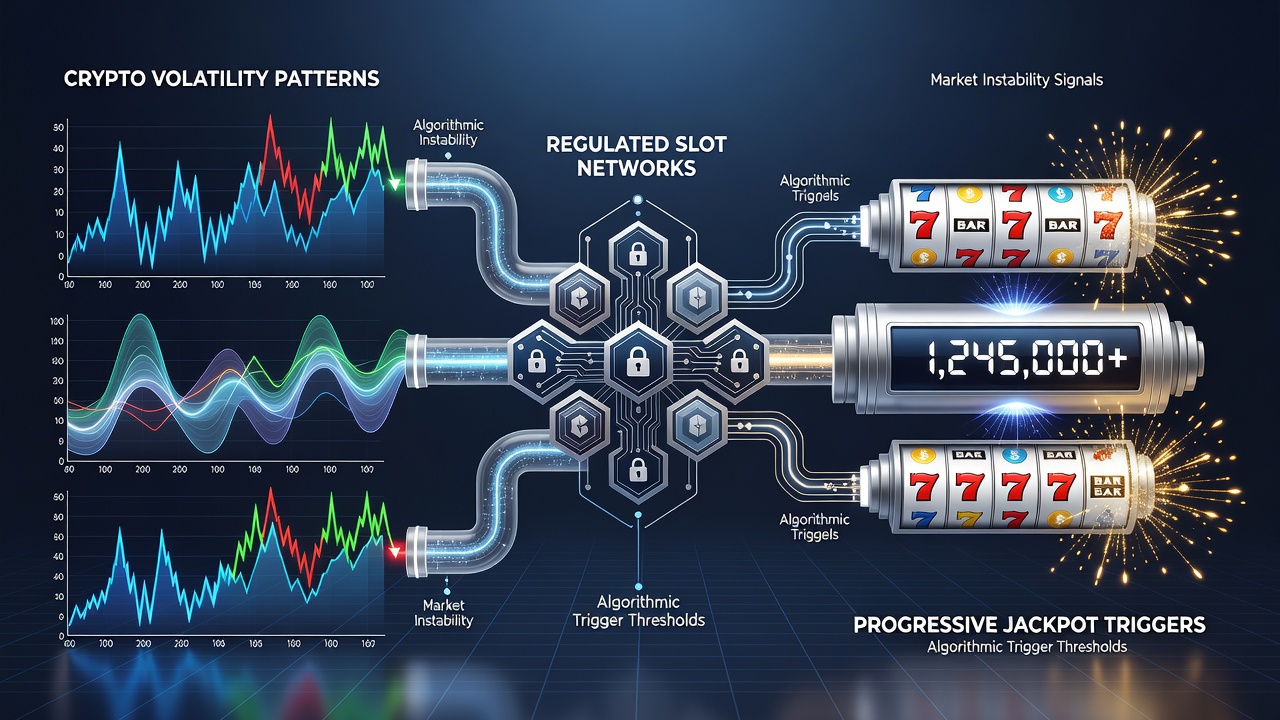
These regional differences create distinct operational patterns. In jurisdictions with strict reserve rules, operators often route volatile cryptocurrencies through automated hedging contracts that lock in fiat values for the duration of each jackpot cycle. Data released by the Nevada Gaming Control Board in its 2025 annual report indicates that 38 percent of crypto-funded progressive networks now employ such hedges, up from 12 percent two years earlier.
Observed Patterns Between Price Swings and Trigger Events
Analysis of transaction logs from multi-jurisdictional networks reveals that large upward movements in cryptocurrency prices correlate with faster pool growth and therefore earlier trigger events, while downward movements extend the average time between jackpots. Researchers at the Technical University of Munich examined six months of anonymized slot data and found that a 10 percent increase in Bitcoin value shortened the median trigger interval by roughly 22 percent on networks without hedging, whereas equivalent declines lengthened the interval by 31 percent. The same study noted that networks using automated stablecoin conversion showed trigger intervals that varied by less than four percent regardless of underlying crypto movements.
November 2026 brings additional variables as several North American and European regulators prepare to implement updated crypto custody standards that will require real-time proof of reserve calculations. These forthcoming rules are expected to standardize how volatility buffers are maintained, potentially reducing the current divergence in trigger timing across borders. Industry groups such as the European Gaming and Betting Association have published technical guidelines that operators can follow to align their systems with the incoming requirements ahead of the November deadline.
Technical Integration of Volatility Monitoring Tools
Slot network software now includes dedicated volatility monitoring modules that pull live pricing feeds from multiple exchanges and feed the data into the jackpot controller. When price changes exceed preset thresholds the module can pause new contributions, switch to a secondary currency, or adjust the displayed jackpot value to reflect the new equivalent. These adjustments occur within milliseconds and remain invisible to players, yet they preserve the mathematical integrity of the random trigger process. Operators document every adjustment in immutable logs that regulators can access during routine compliance reviews.
Conclusion
Cryptocurrency volatility patterns exert measurable influence on the timing and size of progressive jackpot triggers within regulated slot networks, and operators respond through hedging strategies, real-time conversion tools, and compliance with jurisdiction-specific reserve rules. Data from multiple regulatory bodies and academic studies confirm that networks without protective mechanisms experience wider variation in trigger intervals, while those employing stablecoin buffers maintain more consistent performance. As new custody standards take effect in November 2026, further standardization of volatility management practices is anticipated across major markets.