Regional Licensing Variations Reshape Access Timelines for Digital Table Game Streams on Handheld Interfaces
Olivia Griffin · Oct 4, 2026
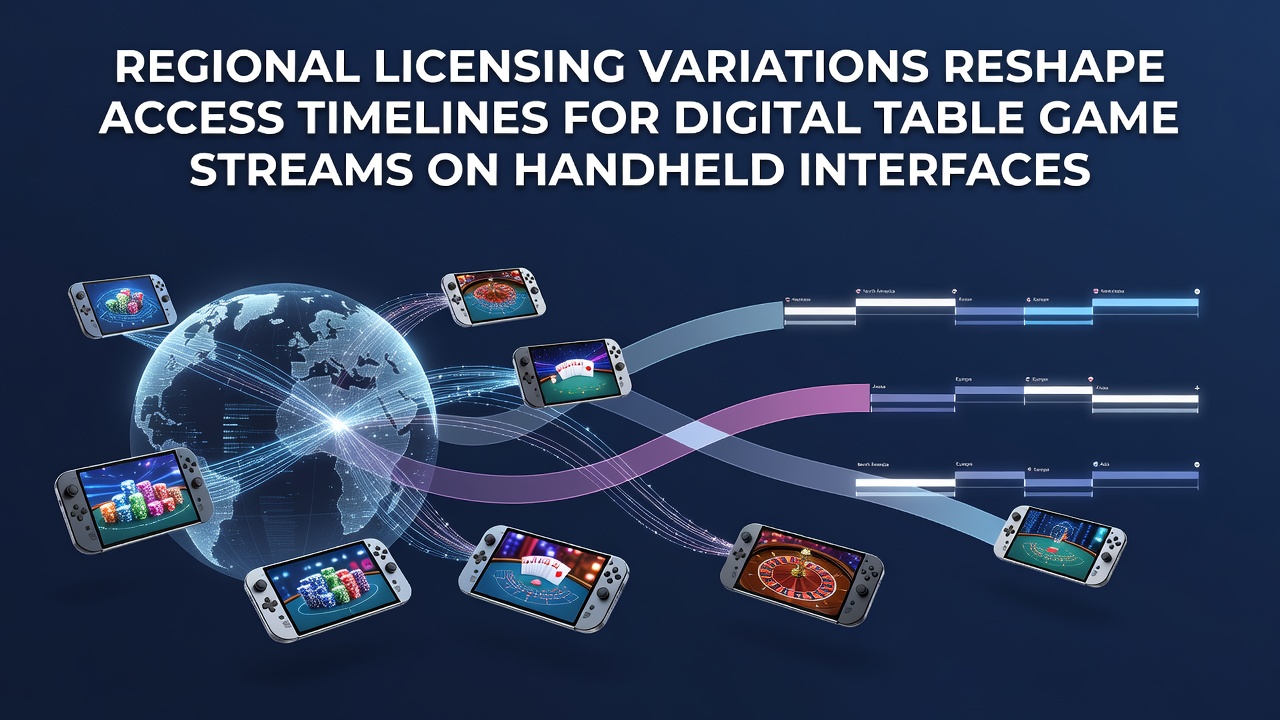
Regional Licensing Variations Reshape Access Timelines for Digital Table Game Streams on Handheld Interfaces
Regional licensing frameworks continue to dictate the pace at which operators can deliver live dealer table game streams to handheld devices, and these differences create staggered rollout schedules across markets. Jurisdictions maintain distinct approval processes for content distribution, device compatibility testing, and operator compliance verification, which directly influences when users gain access to real-time blackjack, roulette, and baccarat feeds on mobile applications or browsers.
North American states demonstrate some of the clearest contrasts in these timelines. Nevada requires operators to complete full system audits and secure separate endorsements for mobile streaming technology before any live table content reaches handheld users, whereas New Jersey permits faster integration once core licensing is in place. Data from state regulatory filings shows that approval cycles in Nevada often extend several months beyond those observed in New Jersey, resulting in delayed availability for the same game streams across neighboring markets.
European Regulatory Divergence and Mobile Delivery
European countries apply their own licensing criteria that affect both content licensing and technical certification for handheld platforms. Malta and Gibraltar maintain established pathways for live streaming operators, yet individual member states impose additional layers of review for consumer protection measures and data handling protocols. These extra requirements frequently extend the period between license issuance and commercial launch on mobile interfaces by several weeks or more.
Observers note that operators must often negotiate separate agreements with each national authority even when they already hold an EU-wide gambling license, and this fragmentation produces uneven access dates for users in different countries. Technical specifications for latency, video quality, and device authentication also vary, forcing developers to customize applications before deployment in each territory.
Asia-Pacific Market Patterns
Asia-Pacific jurisdictions introduce further complexity through varying approaches to online gaming authorization. Australia’s state-based system requires operators to obtain specific approvals for interactive gambling services delivered over mobile networks, and these approvals include detailed assessments of responsible gaming tools and age verification systems. In contrast, certain Southeast Asian markets have introduced pilot programs that allow limited live table streaming under temporary licenses, shortening the time from application to user availability.

Canadian provinces present another set of timelines. The Alcohol and Gaming Commission of Ontario has published guidelines that tie mobile live dealer approvals to existing land-based operator licenses, creating a more streamlined path for certain companies while others must complete independent technical evaluations. Figures released by provincial regulators indicate that average processing times for mobile streaming permissions range from 90 to 180 days depending on the completeness of submitted documentation.
Impact on Handheld Interface Development
Developers building applications for digital table game streams must account for these licensing differences when planning update schedules and feature rollouts. Device certification requirements differ by region, with some authorities mandating specific encryption standards or screen recording prevention measures before approving mobile distribution. These technical hurdles add layers to the overall timeline between regulatory approval and public availability.
Industry reports from the Global Gambling Compliance network indicate that operators frequently stagger their handheld platform launches to align with the slowest-moving jurisdictions in their target markets. This approach allows companies to maintain consistent user experiences while satisfying the most stringent licensing conditions first.
October 2026 Regulatory Shifts
Scheduled changes taking effect in October 2026 across several jurisdictions are expected to alter existing access patterns. Updated technical standards in multiple Australian states will require enhanced real-time monitoring capabilities for live dealer feeds on handheld devices, and operators anticipate that compliance preparation will extend current approval windows. Meanwhile, proposed harmonization efforts in parts of Europe aim to reduce duplication in licensing reviews, which could shorten timelines for mobile streaming services in participating countries.
Research conducted by the University of Nevada Reno’s gaming management program tracks how these upcoming modifications influence operator strategies and notes that companies are already adjusting their development roadmaps to accommodate both new requirements and potential efficiencies.
Conclusion
Regional licensing variations continue to determine the speed and sequence of access to digital table game streams on handheld interfaces. Differences in approval processes, technical certifications, and compliance obligations across North America, Europe, and Asia-Pacific markets produce distinct availability timelines that operators must navigate. As regulatory frameworks evolve, particularly with changes planned for October 2026, these patterns will likely shift further, reshaping when users in each jurisdiction can interact with live dealer content on mobile platforms.